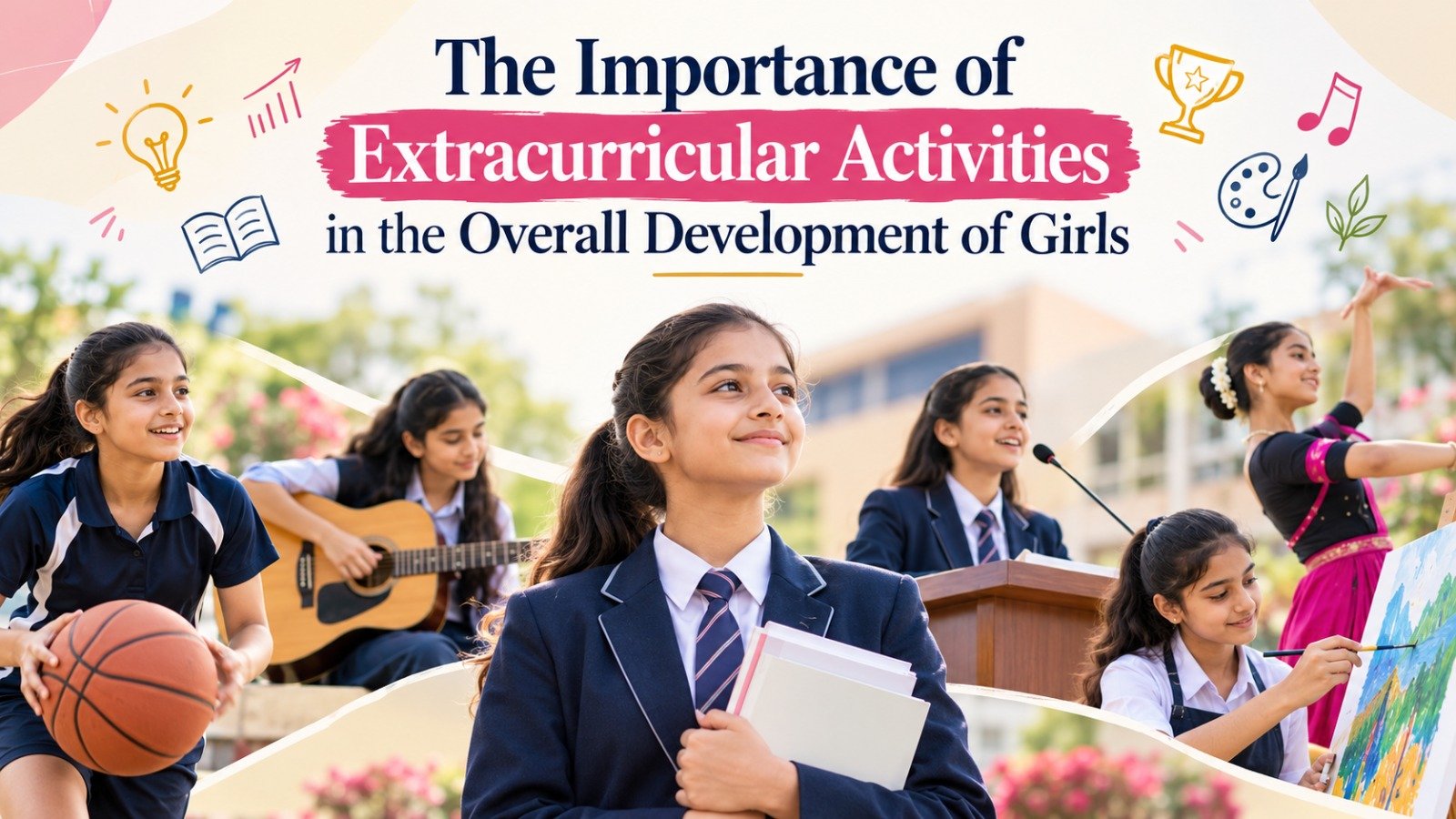
Education plays a vital role in shaping a child’s future, but learning goes beyond textbooks, examinations, and classroom lessons. Extracurricular activities help students discover their interests, develop essential life skills, and build confidence. For girls, participating in sports, music, dance, debates, art, and other school activities creates valuable opportunities for personal growth, leadership, and self-expression.
A school that encourages both academic learning and extracurricular participation helps girls become confident, independent, and well-rounded individuals. Understanding the importance of extracurricular activities in the overall development of girls can help parents and educators support a more balanced approach to education.
1. Building Confidence and Self-Esteem
Confidence is one of the most important qualities girls need to develop during their school years. Extracurricular activities provide a platform where students can express themselves, showcase their talents, and overcome their fears.
Participating in public speaking competitions, drama performances, dance programmes, and school events encourages girls to step outside their comfort zones. Every achievement, whether winning a competition or successfully completing a performance, helps strengthen their self-esteem.
Even when students face challenges or make mistakes, they learn to improve through practice and perseverance. These experiences help girls develop a positive attitude towards challenges and become more confident in their abilities.
2. Developing Leadership and Teamwork Skills
Leadership is an essential life skill that can be nurtured from an early age. Activities such as student council participation, group projects, sports competitions, and school clubs teach girls how to take responsibility, make decisions, and work towards shared goals.
When girls lead a team or organise a school event, they learn how to communicate ideas, manage responsibilities, and solve problems. Team-based activities also help them understand the importance of cooperation, respect, and supporting others.
These experiences prepare students for future academic, professional, and personal responsibilities. A school that promotes leadership opportunities helps girls recognise their potential and develop the skills needed to become responsible leaders.
3. Improving Physical and Mental Well-Being
Physical activities such as athletics, basketball, badminton, yoga, and other sports contribute to the healthy development of schoolgirls. Regular participation in sports can improve physical fitness, coordination, strength, and stamina.
Sports also teach valuable lessons about discipline, patience, teamwork, and resilience. Students learn to handle both success and disappointment while maintaining a positive attitude.
Creative activities, including music, painting, dance, and drama, can also provide enjoyable ways for girls to express their emotions and manage everyday academic pressures. When schools offer a balanced range of activities, students have more opportunities to maintain their physical health and emotional well-being.
4. Encouraging Creativity and Self-Expression
Every girl has unique interests, abilities, and ways of expressing herself. Extracurricular activities allow students to explore these interests beyond the traditional classroom environment.
Art and craft encourage imagination, while music and dance develop creativity and coordination. Creative writing, photography, theatre, and public speaking help students communicate their thoughts and ideas in different ways.
Such opportunities also help teachers identify individual talents that may not always become visible through academic performance alone. By encouraging exploration without excessive pressure, schools can help girls discover their strengths and develop a lifelong interest in learning.
5. Strengthening Social Skills and Friendships
School is an important place for developing healthy relationships and social awareness. Extracurricular activities bring students together through shared interests, helping them form friendships and learn how to interact with different personalities.
Through clubs, competitions, performances, and team activities, girls learn to listen to others, communicate respectfully, resolve disagreements, and appreciate different perspectives.
These social skills are valuable throughout life. They help students develop empathy, emotional awareness, and the ability to work effectively with others. A supportive school environment also encourages girls to feel included, respected, and comfortable participating in group activities.
6. Supporting Academic Growth and Time Management
Extracurricular activities complement classroom learning by helping students develop practical skills that support academic success. Activities such as quizzes, debates, science exhibitions, and reading clubs encourage critical thinking, curiosity, and problem-solving.
Balancing studies with extracurricular participation also teaches girls how to organise their schedules, prioritise tasks, and manage their time effectively. These habits can help them become more disciplined and responsible learners.
However, maintaining a healthy balance is essential. Schools and parents should ensure that extracurricular activities remain enjoyable and beneficial without creating unnecessary pressure or interfering with adequate rest and study time.
7. Preparing Girls for Future Opportunities
The skills girls develop through extracurricular activities can benefit them long after they leave school. Leadership, communication, creativity, teamwork, and adaptability are valuable qualities in higher education, careers, and everyday life.
For example, participating in a debate competition can improve communication skills, while organising a cultural programme can introduce students to planning and decision-making. Sports can strengthen discipline and resilience, while volunteering can encourage social responsibility.
By providing diverse opportunities, schools help girls explore potential career interests and develop a stronger understanding of their abilities. These experiences can encourage them to pursue their ambitions with confidence.
Conclusion
Extracurricular activities are an essential part of a balanced education. They help girls build confidence, develop leadership skills, improve physical and mental well-being, express their creativity, and establish meaningful relationships. They also complement academic learning and prepare students for the challenges and opportunities of adult life.
Schools and parents should encourage girls to explore different activities according to their interests, abilities, and comfort levels. By creating an inclusive environment where every student has the opportunity to participate, schools can support the overall development of girls and help them grow into confident, capable, and independent individuals.
A well-rounded education does more than prepare girls for examinations; it helps prepare them for life.